



Oro
Supporting people navigate moments of disorientation during early stages of dementia
Sound Design
Form Design
Interface Design
DETAILS
Sound and Form Design @ Umeå Institute of Design
TEAM
Johanna Huse, Yajurvi Haritwal, Helen Frank
MY ROLE
Concept, Ideation, Interaction Design, Sound Design
TIMELINE
3 weeks - 2026

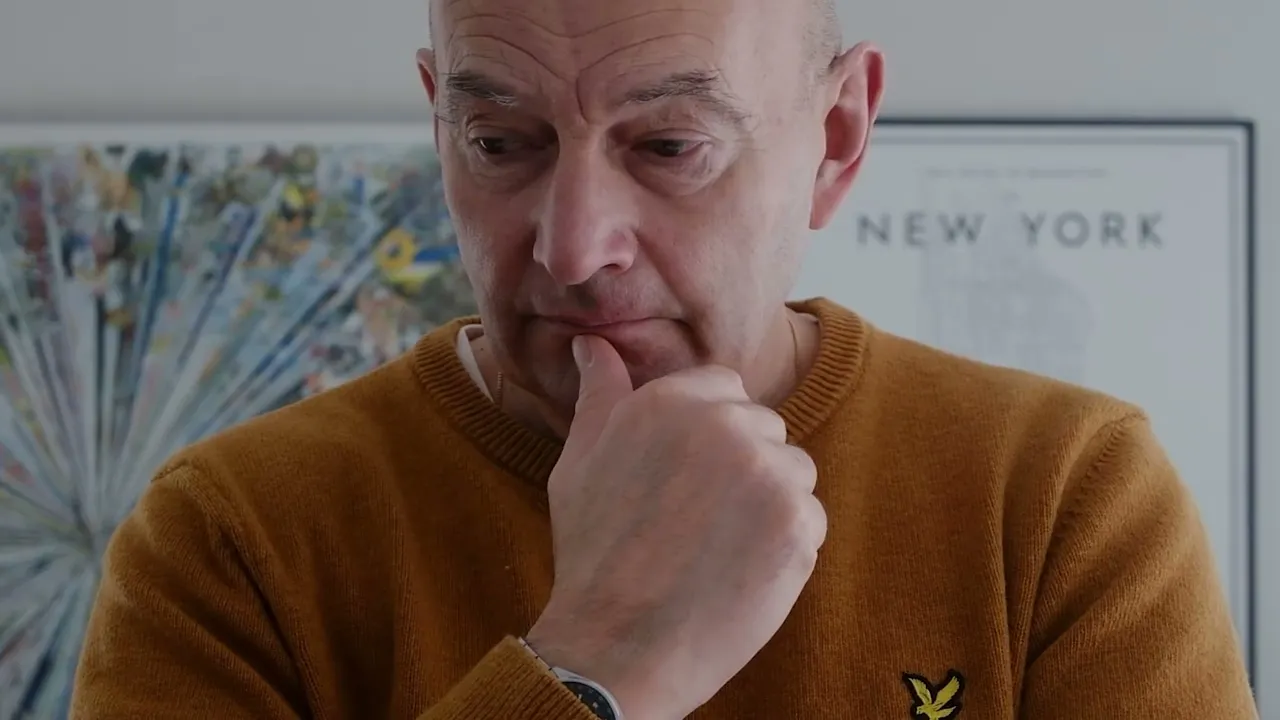
Image Credits - Terry Graham: Norma and Norman, It’s Nice That
Context
A dementia diagnosis greatly impacts one's life. In it’s early stages, individuals may continue living at home normally. However, they may experience confusion and anxiety about time and space while living alone, thus shaking their confidence and sense of autonomy.
How might we use sound to emotionally comfort and engage people with early stage dementia while experiencing moments of disorientation at home?
A Mindful Companion
Oro detects moments of disorientation and responds with grounding visual and auditory cues through simple, familiar interactions. When users feel confused, Oro suggests tasks appropriate for their current room, providing comfort while preserving the autonomy for individuals living with the condition.
System Principles

Designed to feel like a natural part of the home rather than an intervention
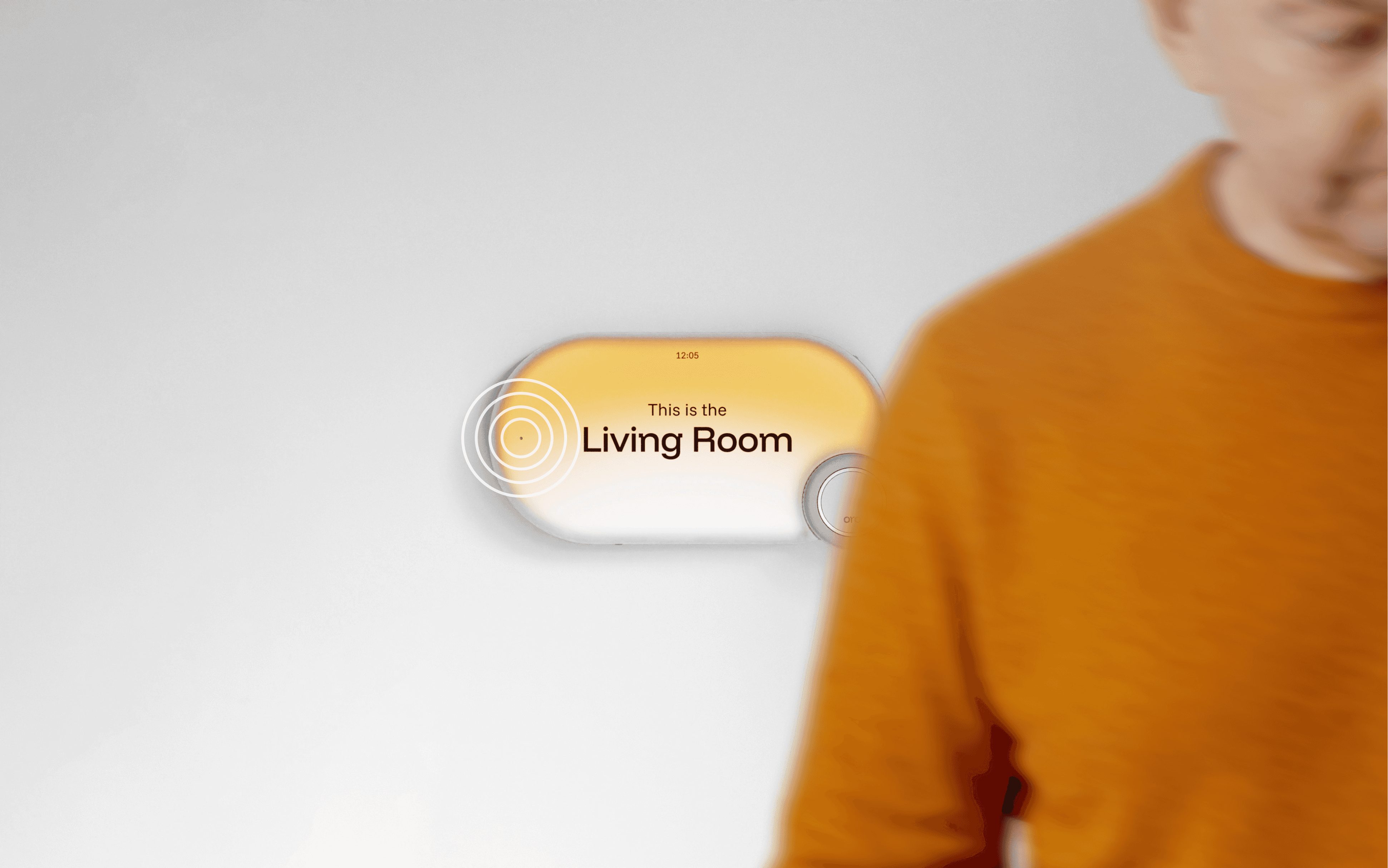
Passive-infrared sensors trigger the system only when disorientation is likely

Devices installed across rooms sync to it to ensure contextual guidance

Comfort unfolds in layers, from gentle grounding to task suggestions
Key Features
Oro's Core Experience
The user journey is a holistic representation of the timing and context of each interaction, as well as the range of possible outcomes for an individual.

Role of Sound
Oro uses three distinct families of sound, each serving a different purpose in the user's journey from disorientation back to calm.


An ambient anchor that grounds the person in reality
Inspired by meditative morning chants, this ambient tone is designed to catch attention gently and draw the individual toward the device.
Comforting Low Hum
Created using PixBay and PaulXStretch
Tones that showcase presence and provide information
Drawn from the quality of wind chimes, these three notification tones are created to feel familiar and punctuate the journey, each with its own tonal logic.
Grounding Chime
Created using Vital
Gentle narrator of reality by highlighting familiarity
Activity suggestions are accompanied by sounds associated with that activity, designed to trigger procedural memory. The knob and buttons are meant to feel tactile and induce a sense of surety while in use.
Tactile and Skeuomorphic Tones
Created using Vital and PixBay
Approach
Oro emerged from an interdisciplinary collaboration between students in Interaction Design and Advanced Product Design at UID, as part of a shared Sound Design course. The course was structured to push each discipline into unfamiliar territory: interaction designers engaging with material form, product designers engaging with experiential logic.


Reflection
Working on Oro opened up the world of sound design to me, and revealed its potential in shaping the experience of a product. It helped develop my skill in creating sounds and deepened my understanding of what makes a product feel cohesive, in addition to the system that surrounds it.
It also gave me the opportunity to explore a context I'd long wanted to engage with. Designing for dementia care pushed me to think carefully about what 'support' really means and why it's definition matters enormously in a context where autonomy is already fragile.
If I were to revisit Oro, I'd invest more time in testing it and developing the concept further. Owing to the timeline of the project, we didn’t get the opportunity to actually test out the proof of concept. The caregiver facing app was conceived as a setup tool, but it's the interface through which a family member translates their loved one's life into a system. That deserves its own design attention.


